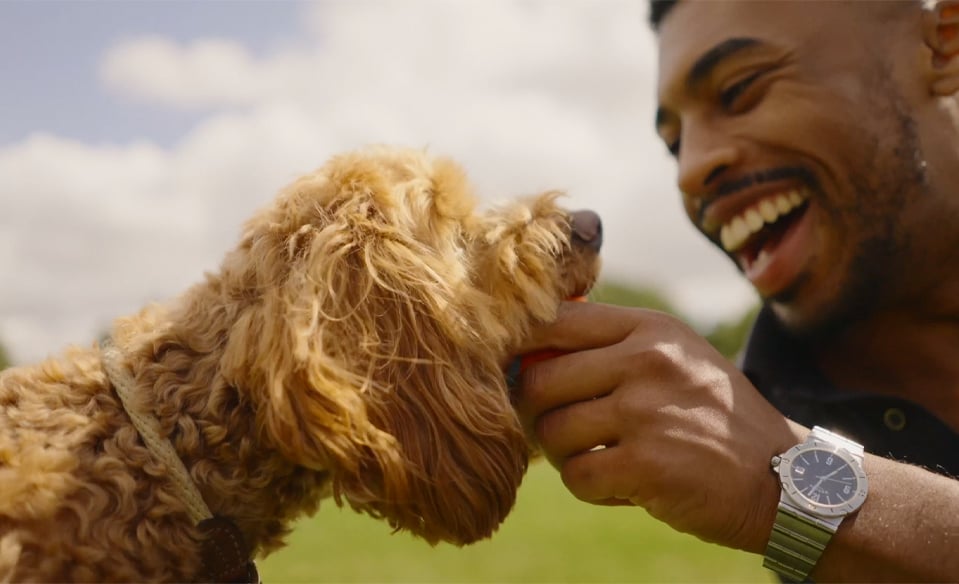
Good for a morning walk.
Avoid strenuous midday pavement routes. Choose grass or shaded streets and bring water.
Cooler air, lower paw risk and calmer streets for most dogs.
An interactive forecast that combines postcode weather, air quality, pavement heat, seasonal countryside rules and your dog's health profile into one clear walk recommendation.
This tool is a guide only. Do not rely solely on the Walkies Score to decide whether to walk your dog. Weather, pavements and your dog's condition can change quickly, so check local conditions, exercise caution and contact a vet immediately if your dog shows signs of overheating or illness.
Avoid strenuous midday pavement routes. Choose grass or shaded streets and bring water.
Cooler air, lower paw risk and calmer streets for most dogs.
A timeline-first view for owners deciding between before work, lunch break, school run, evening or after dark.
Coolest part of the day. Great for sniff walks and active dogs.
Still fine for most dogs. Prefer grass and shade if the sun is strong.
Pavement heat and sun exposure rise. Switch to indoor enrichment.
Potty breaks only for sensitive, senior or flat-faced dogs.
Check tarmac with the five-second hand test before longer routes.
Use reflective leads, lights and quieter routes with good visibility.
Plain-English safety signals, backed by welfare guidance and adjusted for the dog profile.
Practical summer safety advice from Dr Aimee Warner, resident veterinarian at Waggel, placed here for owners who want more detail after checking their walk window.
Pet owners are urged to reduce the risk by:
โDo not assume it is safe just because it is still spring,โ says Dr Warner. โA bright, warm weekend can be enough to put some dogs at risk, especially if they are active or already prone to overheating.โ
Be extra cautious with flat-faced breeds, senior dogs, overweight pets, and dogs with thick coats. โFor higher-risk dogs, a short gentle walk in the shade may be much safer than a long outing in full sun.โ
The reality: A wet towel may feel cool at first, but the dog's body heat can quickly warm the water. Once that happens, the towel can start acting like an insulating layer and may reduce airflow around the body.
The vet's advice: โIf you want to use a wet towel, place it underneath your dog for them to lie on, and keep replacing or re-wetting it so it stays cool,โ Dr Warner advises. โAvoid covering the dog's back, as this can stop heat from escaping.โ
The reality: If a dog is panting hard, stressed or struggling in the heat, forcing water into their mouth can increase the risk of choking or inhaling water.
The vet's advice: โOffer small amounts of cool or cold water in a bowl and let the dog drink at their own pace,โ says Dr Warner. โNever pour water directly into an overheated dog's mouth.โ
The reality: Current veterinary guidance prioritises rapid cooling when heatstroke is suspected. Water must be cooler than the dog to help bring their temperature down.
The vet's advice: โUse water and airflow together. Pour cool or cold tap water over the dog's body, avoiding the nose and mouth, while keeping them in a breeze, near a fan or in a cool, well-ventilated room if possible.โ
Sudden changes in temperature and activity can catch dogs out. โIf your dog has been less active over the colder months, avoid launching straight into long walks, runs, or games of fetch on the first warm day. Build up gradually.โ
Early signs can include heavy panting, excessive drooling, lethargy, bright red gums, vomiting, or reluctance to keep moving. โIf you are worried your dog is overheating, move them somewhere cooler, begin cooling them with water, and call your vet immediately. Heatstroke is a medical emergency.โ
Not just steps or exercise needs. The useful bit is knowing when to go, what route to choose and when to swap outdoors for safer enrichment.
Use local weather, warnings and air quality instead of broad regional assumptions.
Adjust heat, breathing and activity recommendations for breed type, age, body condition, coat and health flags.
Surface practical choices such as shaded woodland, grass, pavement, beach, Open Access land and local restrictions.
The landing page is ready for a live forecast engine once API keys, route datasets and vet-reviewed rules are connected.
Feed the live score and time windows.
Shape safe activity language and thresholds.
Add responsible walking reminders.
Each postcode forecast is scored from 0 to 10, then translated into one simple action: go now, adjust the route, keep it short, or switch indoors.
Use postcode-level weather, DAQI, daylight and Met Office warnings. Temperature, humidity, sun, wind and rain set the base comfort score.
Breed type, age, body condition, coat, breathing flags and activity level lower the safe thresholds for heat, paw risk and intensity.
Amber or red warnings, high DAQI, hot pavement and hot-weather running cap the score before any recommendation is shown.
The output gives the best walk window, minutes, route type, avoid notes and indoor enrichment when outdoor risk is too high.
Heatwaves and severe weather can change the whole recommendation, so warnings carry more weight than the first draft and can trigger hard caps.
This tool should guide planning only. Owners should follow vet advice and urgent welfare guidance for any dog showing signs of illness.
Designed as a Waggel landing page with a live API-ready forecast module, methodology section and UK-specific welfare angle.